
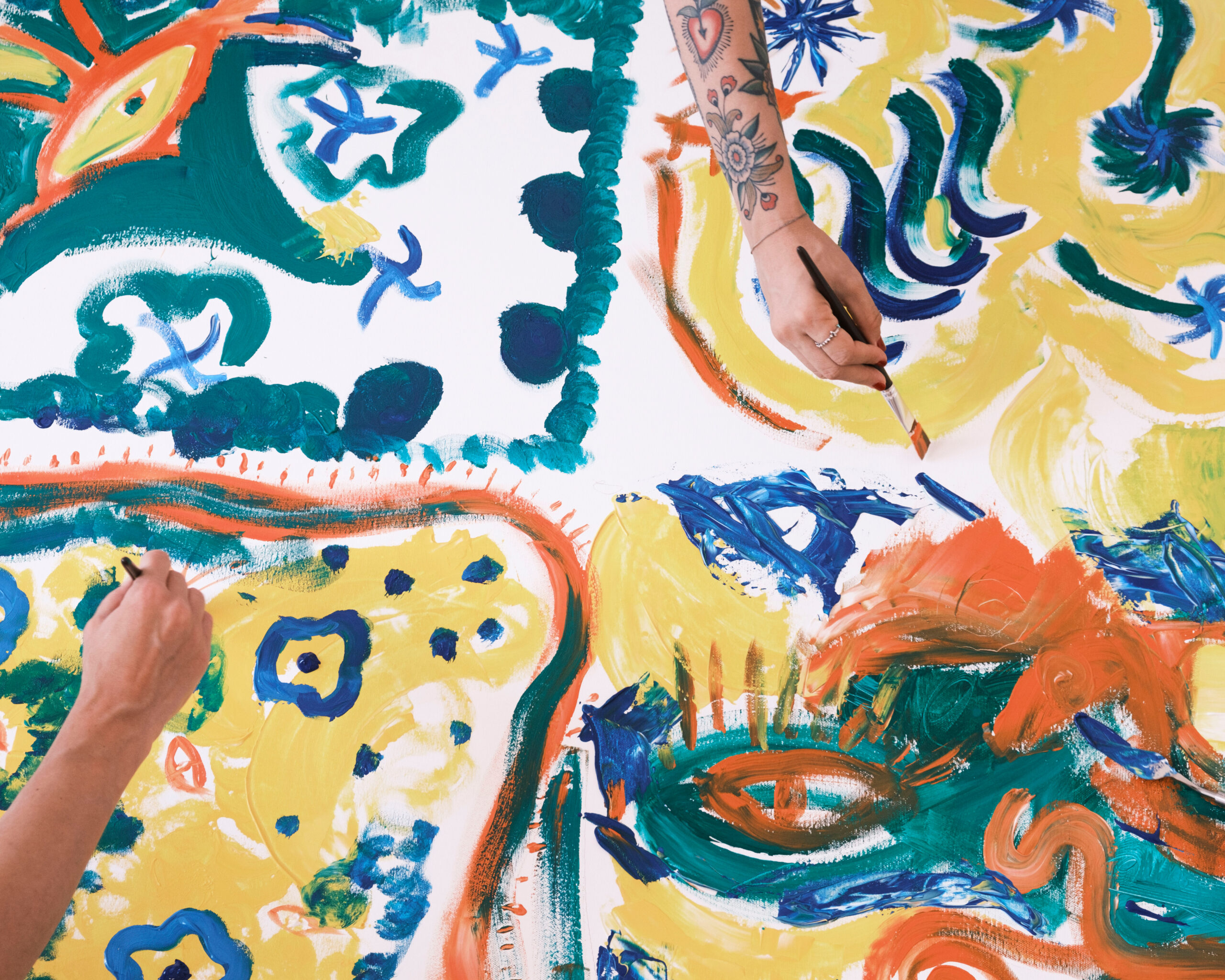
Art Therapy
“Art is restoration: the idea is to repair the damages that are inflicted in life, to make something that is fragmented into something whole.”
—
Louise Bourgeois
For Louise Bourgeois, art is not about erasing the wounds of the past, but giving them a new form. Restoration does not mean returning to who we once were, but bringing together the fragments of our experiences without necessarily concealing the cracks.
This philosophy resonates deeply with art therapy: it is not about repairing who we are, but transforming our relationship with what we have experienced.
In a world increasingly shaped by stress, anxiety and emotional demands, art therapy offers a space to slow down, reconnect with ourselves and express what words cannot always convey. Artistic ability is not required. Through colours, shapes and gestures, the creative process becomes an opportunity to explore emotions, develop self-awareness and discover new perspectives.
“Healing doesn't always begin with talking. Sometimes, it begins with creating.”
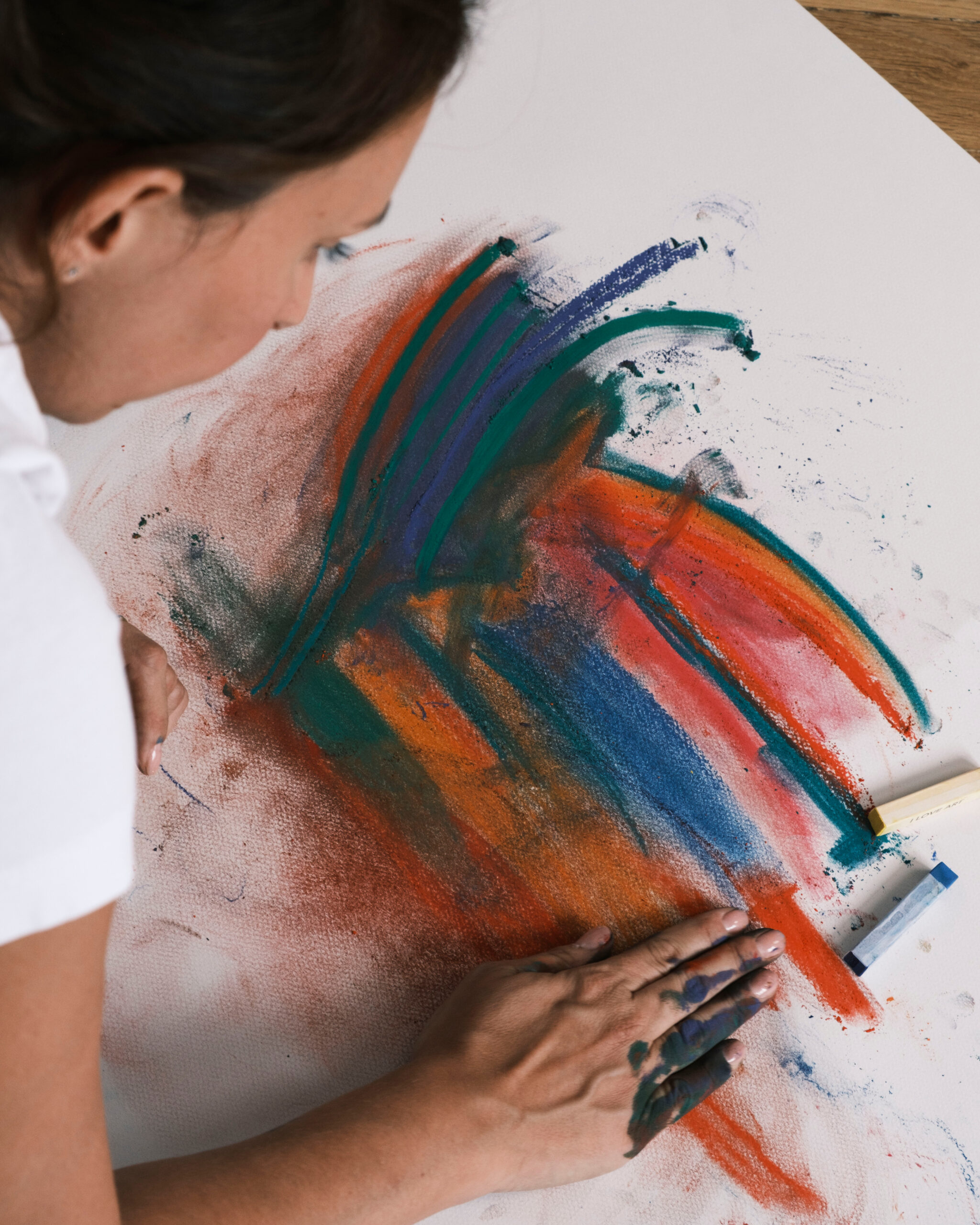
The Holistic Approach Connecting Mind, Body and Soul
Art therapy embraces a holistic perspective, recognising the connection between our emotional, mental, physical and spiritual well-being.
By engaging in creative expression, we are invited to become more aware of our emotions, reconnect with our bodies and explore our inner experiences in a supportive, non-judgemental environment.
The emphasis is not on the finished artwork, but on the experience of creating. This process can encourage self-discovery, emotional balance, resilience and personal growth.“It is not about what we create, but what unfolds within us through the process of creating.”
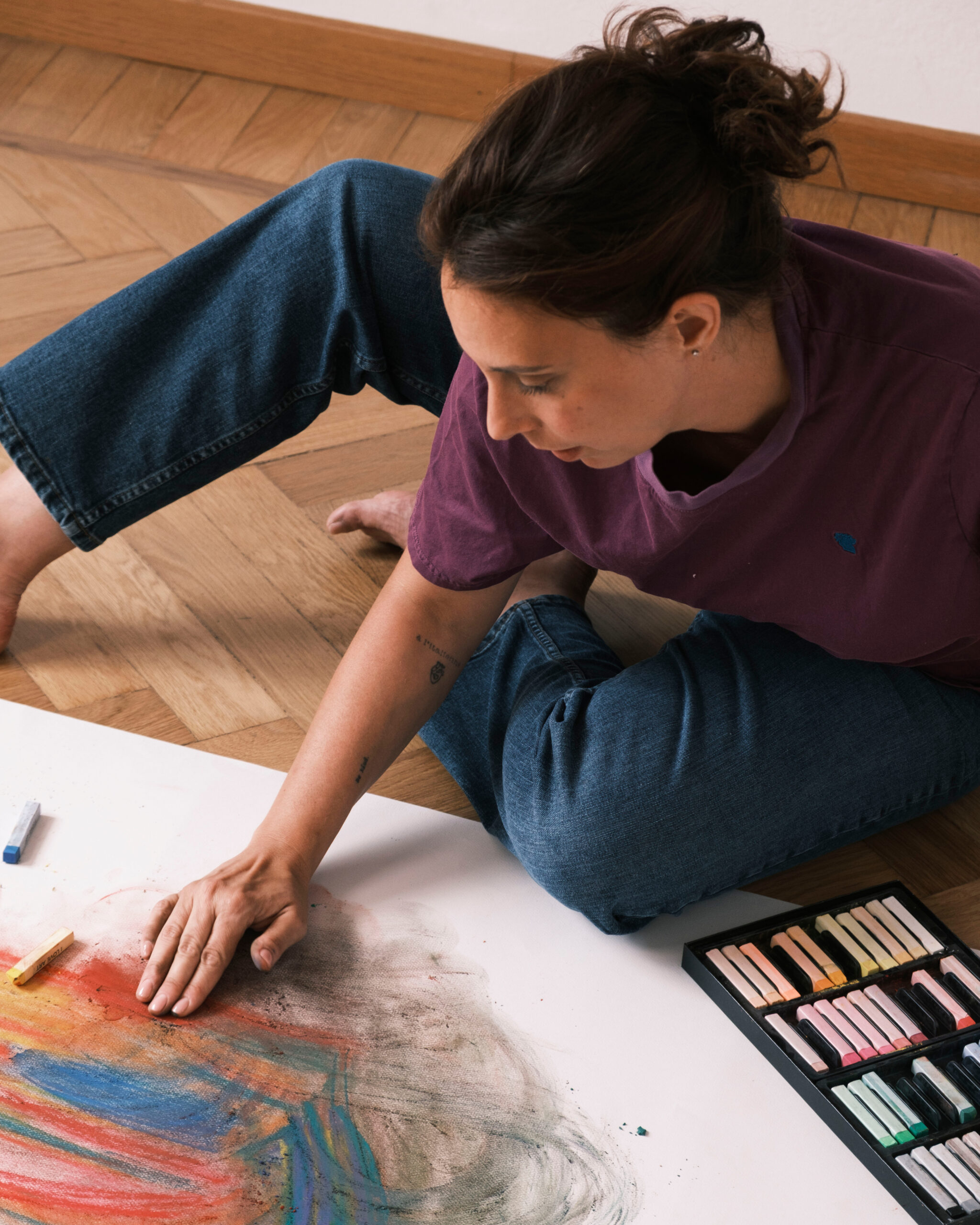
The Role of Meditation in Art Therapy
Meditation creates a moment of stillness, helping us step away from everyday distractions and become more present. A short guided meditation or mindfulness exercise at the beginning of a session encourages awareness of our breathing, bodily sensations and emotions, preparing us to approach creativity with openness and curiosity.
Thoughts, memories and feelings that emerge during these moments of reflection can find expression through artistic creation, establishing a natural connection between inner awareness and external expression.
“When the mind becomes quieter, we begin to notice what was already there, waiting to be seen.”
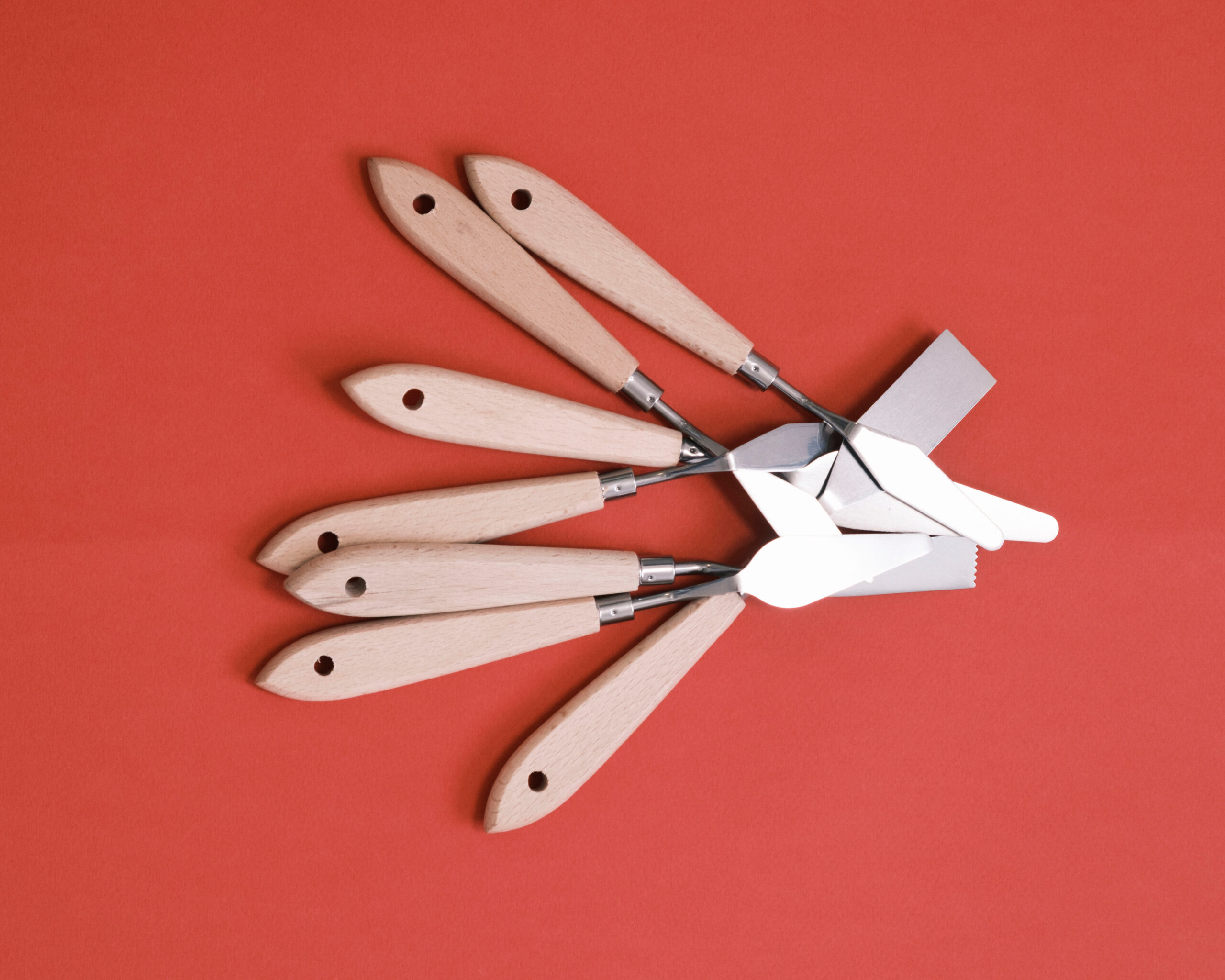
The Role of Artistic Materials - Medium - in Art Therapy
In art therapy, artistic materials are more than creative tools. They act as bridges as mediators between our inner experiences and their external expression. Each medium offers a different sensory and expressive experience:
Pastels
Soft textures and rich colours encourage intuitive gestures and sensory exploration.
Acrylics
Layers, contrasts and textures offer possibilities for exploring change and transformation.
Watercolours
Fluidity and unpredictability invite spontaneity and the release of control.
Markers
Defined lines and immediate gestures encourage expression through patterns, shapes and symbols.
Creative Writing
Journaling, poetry and free writing give voice to thoughts, memories and emotions.
The relationship with each material is deeply personal. There are no fixed interpretations or expected outcomes: meaning emerges through individual experience and exploration.
“Through artistic expression, what we feel within can gradually find a form in the world around us.”